
Introduction
Choosing the right key blank requires more than matching the shape of an existing key. Locksmiths, hardware stores, and security product retailers must consider keyway compatibility, material quality, finish, and the requirements of the lock or key-cutting application.
Whether you are sourcing the best lock key blanks for everyday locksmithing, considering black key blanks for a distinctive product range, or purchasing blank cylinders for compatible locking systems, understanding the differences between these products can help you make better buying decisions.
Each product serves a different purpose. A key blank provides the uncut base for producing a compatible key, while a blank cylinder is a separate lock component that may require appropriate preparation and configuration before use. Decorative finishes can influence appearance, but they do not replace the need for correct specifications.
This guide explains what to check before purchasing these products and how to select inventory that meets practical requirements.
Best Lock Key Blanks: Start With Compatibility
The best lock key blanks are those that match the intended lock profile, meet the required specifications, and offer consistent manufacturing quality. The right product depends on the lock type, keyway, and application.
Identify the Correct Keyway
Key blanks are manufactured in different profiles to suit specific locks. Even when two blanks look similar, differences in their grooves, shoulders, blade dimensions, or overall shape may make them incompatible.
Before purchasing, check the keyway designation and the manufacturer’s reference number whenever available. If you are replacing an existing blank, use reliable identification information rather than relying exclusively on visual comparison.
For locksmiths managing a broad inventory, organising blanks by reference number and application makes it easier to locate the correct product. It also reduces the chance of selecting a similar-looking but unsuitable blank during a busy working day.
Consider Material and Manufacturing Quality
Material quality can influence cutting performance, durability, and the finished key’s overall feel. Depending on the product and intended use, key blanks may be made from brass, nickel silver, or other specified materials.
When comparing products, look for consistent dimensions, a clean finish, and clearly stated material specifications. Manufacturing inconsistencies can create difficulties during cutting and may result in unnecessary waste.
For businesses that produce keys frequently, repeatable product quality is particularly important. Consistent blanks make inventory easier to manage and help support predictable work practices.
Match the Blank to the Application
Not every key blank is suitable for every lock. Residential locks, commercial locking systems, padlocks, cabinets, and automotive applications may require different profiles or specialised products.
Before placing an order, confirm the intended application and any relevant compatibility requirements. For restricted or proprietary key systems, follow the manufacturer’s authorisation and key-control procedures.
The most useful inventory is not necessarily the one with the most products. It is the one that provides reliable access to the profiles your customers actually need.
Black Key Blanks: Appearance, Finish, and Practical Considerations
Black key blanks can add a distinctive look to a retailer’s product range. Their darker appearance may appeal to customers seeking a modern, understated, or visually different alternative to conventional metallic finishes.
However, the term can refer to products with different materials, coatings, or finishes. Buyers should therefore review the product description carefully rather than assuming all black key blanks are manufactured in the same way.
What to Check Before Buying Black Key Blanks
Start with compatibility. A black finish does not determine which lock a blank will fit. The underlying keyway profile and dimensions must still match the intended application.
Next, review the finish and material information. Depending on how the product is manufactured, its appearance and surface properties may differ. Ask the supplier for details if the listing does not clearly identify the material or finish.
It is also worth considering how the blank will be handled during cutting. The product must be suitable for the intended cutting process, and any coating or finish should be assessed according to the manufacturer’s guidance.
Are Black Key Blanks Suitable for Retail?
They can be a useful option for businesses that want to offer customers more choice. Hardware stores and specialist retailers may include them alongside conventional key blanks, particularly when customers value appearance as well as function.
Before stocking large quantities, consider testing a smaller assortment. This can help you understand customer demand without tying up too much inventory capital.
Keep product descriptions accurate and avoid making unsupported claims about scratch resistance, corrosion resistance, or durability. These characteristics depend on the material and finish of the specific product.
Blank Cylinder: Understanding the Lock Component
A blank cylinder is different from a key blank. A key blank is an uncut key intended to be shaped for a compatible lock, whereas a cylinder is part of a locking mechanism.
In many pin-tumbler locks, the cylinder contains internal components that interact with the correctly configured key. The exact construction varies by lock design, so buyers should verify the type of cylinder required for their application.
The term “blank cylinder” can also be used differently by suppliers. It may describe an unkeyed or unconfigured cylinder, a replacement cylinder prepared for later setup, or a particular component intended for a compatible locking system. Always check the supplier’s terminology and product specifications.
How to Choose the Right Cylinder
When sourcing a cylinder, compatibility is the starting point. Consider the lock model, cylinder dimensions, mounting arrangement, intended door or application, and the manufacturer’s requirements.
For replacement work, verify the measurements and configuration of the existing hardware. A cylinder that appears similar may have different dimensions or an incompatible mechanism.
You should also consider the security requirements of the application. Depending on the setting, factors such as key control, cylinder design, and the manufacturer’s security specifications may be relevant.
Professional locksmiths should follow the manufacturer’s installation and configuration instructions and any applicable access-control requirements. This helps ensure the component is appropriate for the lock and the intended level of security.
Key Blanks and Cylinders Are Not Interchangeable Products
Although key blanks and cylinders are related, they serve different functions and should be purchased according to separate specifications.
A key blank must match the required keyway and be suitable for cutting. A cylinder must match the locking hardware and its installation requirements.
For retailers, separating these categories in product listings and inventory records helps prevent confusion. Clear descriptions also make it easier for customers to identify the product they actually need.
Custom Key Blanks: Creating More Distinctive Product Options
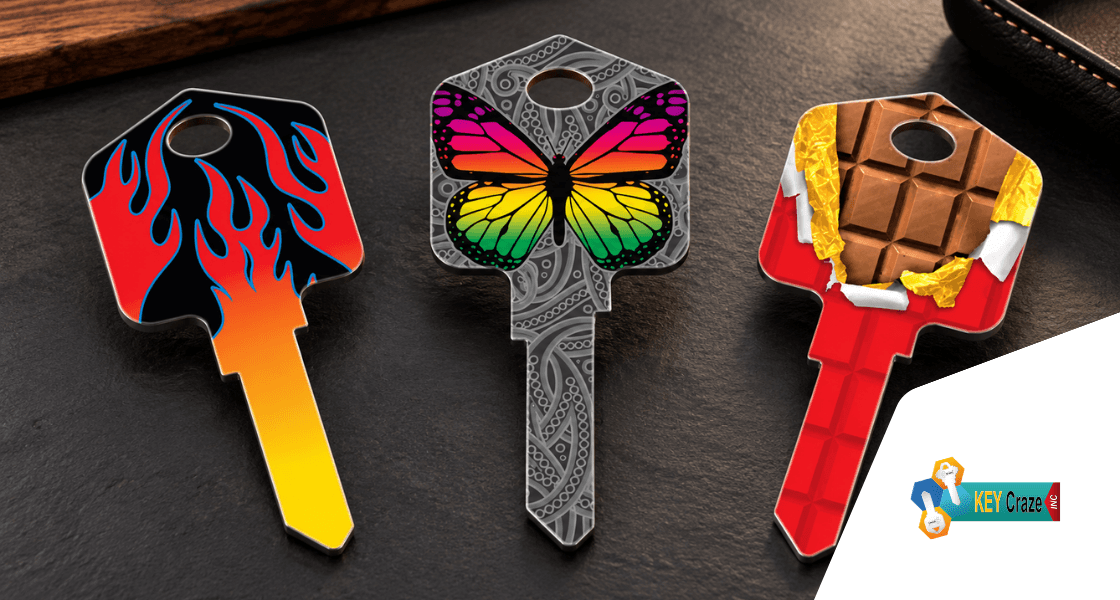
Beyond standard profiles and finishes, custom key blanks can provide opportunities for businesses that serve customers seeking personalised or specialised products.
Depending on the supplier and production method, customisation may involve decorative designs, branding, colours, or other appearance-related features. The options available will vary, and not every custom blank is suitable for every lock or key-cutting application.
When Custom Key Blanks Make Sense
Custom products may be worth considering for promotional merchandise, specialist retail collections, branded accessories, or other applications where appearance is an important part of the purchase.
Before ordering, clarify the minimum quantity, available designs, production lead time, material specifications, and any artwork requirements. If the blank is intended to operate a lock, verify that the underlying profile is appropriate for the intended application.
Businesses should also confirm whether a proposed design affects the cutting area, handling, or practical use of the finished key.
Balance Personalisation With Function
Customisation should not compromise the blank’s intended use. Decorative features and branding are secondary to correct compatibility, suitable dimensions, and dependable manufacturing.
For a retailer testing a new product concept, a small initial order may be a sensible way to evaluate demand. Larger commitments should be based on realistic sales expectations and confirmed production specifications.
How Businesses Can Manage These Products More Effectively
An organised inventory helps locksmiths and retailers distinguish between standard key blanks, decorative finishes, custom products, and lock cylinders.
Begin by grouping items according to product type and reference number. Record supplier details, specifications, purchase quantities, and current stock levels. This makes it easier to identify products that need replenishment and reduces the likelihood of ordering duplicates or incompatible items.
For standard lock key blanks, prioritise profiles that are frequently requested. For black or custom key blanks, track sales separately so you can determine which designs justify repeat purchases. For cylinders, maintain accurate dimensional and compatibility information to support correct selection.
Review stock regularly. Products with consistent demand may justify larger orders, while specialised finishes, custom designs, and less common cylinder types may be better purchased in smaller quantities.
Common Purchasing Mistakes to Avoid
- Choosing by appearance alone: Similar-looking key blanks may have different profiles and may not fit the same lock.
- Assuming all black finishes are identical: Material, coating, and surface characteristics can vary between products.
- Confusing cylinders with key blanks: These are different products with different specifications and purposes.
- Overlooking dimensions: Cylinder measurements and key blank profiles must be checked against the intended application.
- Ordering custom products without confirming requirements: Clarify production quantities, lead times, and compatibility before committing.
- Making unsupported security claims: Use manufacturer documentation to substantiate statements about durability or security features.
A consistent evaluation process can help businesses purchase more confidently and reduce costly inventory mistakes.
Key Takeaways
- Choose the best lock key blanks based on verified keyway compatibility, material, and manufacturing consistency.
- Treat black key blanks as a distinct finish or product option, not as a different compatibility standard.
- Confirm exactly what a supplier means by a blank cylinder and check its dimensions and intended application.
- Consider custom key blanks when personalisation meets a genuine customer need.
- Keep clear product references and stock records to make replenishment easier.
Frequently Asked Questions
1. How do I find the best lock key blanks?
Identify the correct keyway and application first. Then compare product specifications, material, manufacturing consistency, supplier reliability, and total cost.
2. Do black key blanks fit standard locks?
They may fit when the underlying keyway profile and dimensions match the intended lock. The black finish itself does not determine compatibility.
3. What is the difference between a key blank and a blank cylinder?
A key blank is an uncut key intended for a compatible lock. A cylinder is a component of the locking mechanism. Their specifications and purchasing requirements are different.
4. Are custom key blanks worth stocking?
They can be useful when customers value personalised or distinctive products. Test demand, confirm the available customisation options, and verify compatibility before placing a large order.
5. What information should I check before buying a blank cylinder?
Review the lock model, cylinder dimensions, mounting arrangement, intended application, and manufacturer’s specifications. Confirm the product type with the supplier if the term “blank cylinder” is unclear.
Conclusion
Choosing the right key and lock components requires a clear understanding of how each product is intended to work. The best lock key blanks must match the required profile and offer dependable manufacturing quality. Black key blanks can provide a distinctive appearance, while a blank cylinder must be evaluated according to the locking hardware’s dimensions and specifications.
For businesses exploring custom key blanks, the best results come from balancing design, practical functionality, and customer demand. With accurate product information and organised inventory management, locksmiths and retailers can build a range that meets their customers’ requirements while reducing avoidable purchasing errors.
